UK aerospace engineering team helps ensure safe return for Artemis II astronauts
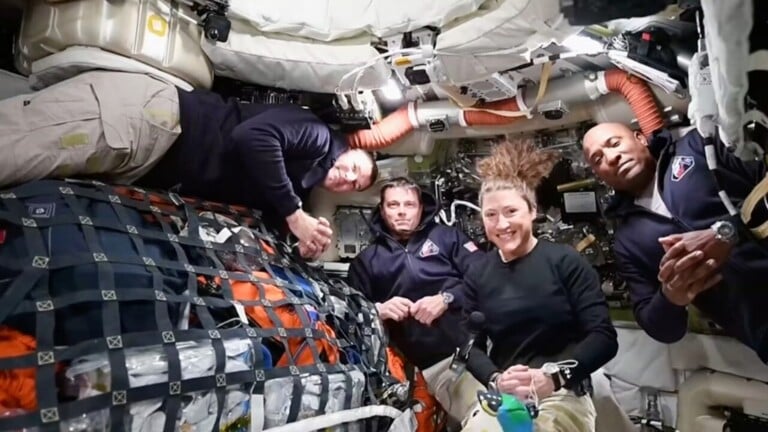
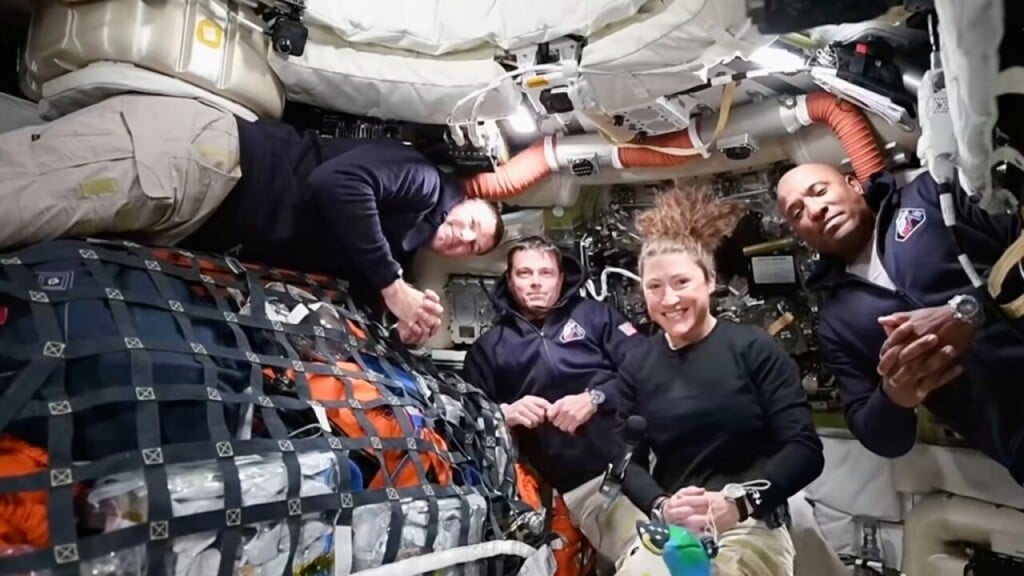
LEXINGTON, Ky. (ABC 36 News Now) — Artemis II successfully touched down near the coast of San Diego Friday evening, and the University of Kentucky played a part in keeping the astronauts safe.
PhD students and faculty researchers in the university’s aerospace engineering program celebrated their involvement during a watch party on campus.
Kate Rhoads and Luis Chacon assisted in improving the spacecraft’s heat shield used in the Artemis II mission. During Artemis I, particles broke off the heat shields because of pressure buildup.
“It’s hard for it to feel real sometimes you’re just doing the work that you’ve been given in front of you. Then all of a sudden you see missions coming together and you’re like, ‘Oh my gosh,'” Rhoads said. “Growing up in Kentucky and then finding out that there’s something that you can do in Kentucky to help NASA is something that was really something I never thought would be possible.”
NASA sent pieces of the Artemis I spacecraft to the University of Kentucky. The team used a micro-CT scan to assess the density and structure of the pieces to inform their research for Artemis II.
“And it was like relevant to the actual mission and the safety of the astronauts coming back,” Chacon said.
Under the wing of Dr. Savio Poovathingal, the team was tasked with finding a method to protect the spacecraft from extreme pressure buildup. Poovathingal has been working on the project for more than three years.
“In many ways we are repeating history after the Apollo era. But it’s a new history because this is one of the many flights that are gonna go to the moon and eventually to Mars,” Poovathingal said.